
Aug 12, 2026Quality Inspection Guides
What Happens During a Final Random Inspection (FRI)?
Learn what happens during a Final Random Inspection (FRI) in a China factory, including sampling, product checks, defect classification, and inspection reporting before shipment.
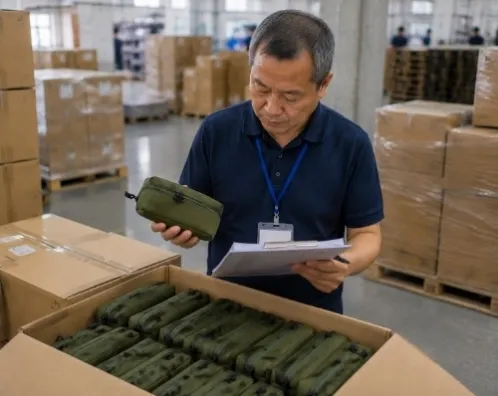
What Happens During a Final Random Inspection (FRI)? A Step-by-Step Guide
Production is finished. The factory says the goods are ready, and you arrange a Final Random Inspection before shipment.
What happens next is more than a quick look at a few products. The work follows a sequence: confirm the inspection requirements, verify production status, select samples, check the products, classify findings, and prepare the report.
Each stage answers a different question. Are the correct goods available? Do the selected samples represent the shipment? Do the products match your confirmed requirements? The final report brings those answers together so you can decide what should happen before the goods leave China.
Before the Visit: Confirm the Requirements and Scope
The inspection starts before anyone arrives at the factory. The inspection team reviews your product information, purchase order, order quantity, factory address, requested inspection date, AQL requirements, packaging details, and any approved references available for comparison.
Special concerns should be identified at this stage. If a rain jacket must pass an agreed leakage check, a bag strap requires a pull test, or a label must match approved artwork, those points need to be included in the inspection instructions. The inspector can only verify a requirement clearly enough to understand and perform on site.
It is also important to define which styles, colors, sizes, or purchase orders are included. This prevents a report from covering only part of the goods while being read as if it represented the full shipment.
For a practical preparation list, see How to Prepare for a Pre-Shipment Inspection: A Practical Guide for Buyers.
Step 1: Confirm That the Goods Are Ready
On arrival, the inspector first asks the factory to show the finished goods and confirms the quantity available. A typical FRI is arranged when production is complete and most goods are packed, because random selection is only meaningful when the shipment is sufficiently ready.
The inspector compares the available quantity with the order information and notes any shortage, unpacked balance, or item that is still under production. If one color is finished while another is not available, the report must make that limitation clear.
The packing condition is checked at the same time. Cartons that have not been sealed, goods stored in a different building, or finished products that cannot be accessed may affect the planned sampling. This production-status check determines what the inspection can genuinely represent that day.
Step 2: Select Samples From the Finished Shipment
After confirming the available goods, the inspector identifies the cartons to open. Samples are selected from different carton positions rather than only from cartons placed near the inspection table. When necessary, factory staff are asked to move outer cartons so units can be taken from the back, middle, or lower part of a stack.
The selection also needs to cover the order mix. If the shipment contains several models, colors, or sizes, the sample allocation should reflect the agreed sampling plan and the quantities available for each item.
The number of units checked is normally determined by the lot size, inspection level, and agreed AQL requirements. If you want to see how an 8,000-piece order can lead to a 200-piece sample, read How Many Pieces Are Inspected During a Quality Inspection? A Simple Guide to AQL Sampling Plans.
Random selection matters because the report should describe the shipment, not a group of pieces prepared in advance for presentation.
Step 3: Compare the Products With the Confirmed Requirements
The selected samples are brought to the inspection area and checked against the purchase order, specifications, approved sample information, drawings, artwork, or other confirmed criteria supplied before the visit.
The exact checks depend on the product. For garments, the work may include measurements, sewing, fabric shade, labels, and folding. For backpacks, attention may move to seams, zippers, shoulder straps, and accessories. For assembled household products, the inspector may check finishing, assembly, stability, and retail packing.
The comparison is not limited to whether one sample is acceptable. Samples from different cartons are also compared with one another. This can reveal inconsistent sizing, color variation, mixed components, or workmanship differences that are easy to miss when each unit is viewed alone.
Step 4: Perform the Agreed Function Checks
Visual inspection cannot confirm every product requirement. The inspector therefore performs the on-site function checks agreed for the product and records the method used.
This may involve opening and closing a zipper repeatedly, assembling a product, filling a cup to check for leakage, applying an agreed load to a handle, or using a pull tester on a strap. The equipment, test quantity, duration, and acceptance criteria should match the inspection instructions rather than being improvised after a problem appears.
Factory-floor checks are useful for immediate verification, but they are not a substitute for formal laboratory testing. When a material or performance claim requires a controlled test method, random samples can be selected and sent to a qualified independent laboratory. Lab Testing Assistance Service explains how that process can be supported without suggesting that an on-site inspector performed the laboratory test.
Step 5: Record Each Finding and Classify the Defects
When a defect is found, the inspector records what it is, how many times it appears, where it appears on the product, and which samples or cartons are affected. Photos normally include a close view of the defect and enough context to show its location.
The findings are then classified as Critical, Major, or Minor according to the agreed criteria and the likely effect on safety, function, saleability, or customer acceptance. The count for each classification is compared with the relevant AQL acceptance and rejection limits.
A repeated defect across several cartons carries different information from an isolated mark on one unit, even when both appear in the same defect category. This is why the defect description and photos matter alongside the final count.
For a clearer explanation of these categories, see Critical, Major, and Minor Defects Explained: How to Understand Inspection Results.
Step 6: Turn the Factory Findings Into a Report
After the on-site work is completed, the findings are organized into the inspection report. It normally identifies the inspected order, production status, available quantity, sample size, AQL criteria, checks performed, defect counts, photos, and the resulting conclusion.
Any limitation should also be visible. If part of the order was unavailable, a requested test could not be completed, or an approved reference was not provided at the factory, that information affects how you interpret the result.
The report does not replace your commercial judgment. It gives you independent information from the factory visit so you can compare the finished goods with your requirements before authorizing shipment.
If the report terminology is unfamiliar, How to Read a Pre-Shipment Inspection Report: A Practical Guide explains how to review sampling information, defect photos, and Pass or Fail results.
If the Result Is Failed
A failed result means the inspected samples exceeded an agreed limit or a required check did not meet the acceptance criteria. It does not decide the commercial response for you.
You can review the findings with your supplier, identify which goods are affected, and agree on rework, replacement, sorting, or another corrective action. The appropriate response depends on whether the issue is isolated, repeated, functional, cosmetic, or connected to customer requirements.
When the factory completes corrective work, a follow-up inspection can verify the reworked goods. Its scope should state whether the inspector is checking the previous defects only, the affected cartons, or a newly selected sample from the whole shipment.
Choose the Inspection Date With Correction Time in Mind
FRI is usually arranged after production is complete and before shipment. The date should leave enough time to read the report and respond if correction is needed; arranging the visit immediately before container loading can remove those options.
The timing deserves extra attention for a first order, customized goods, high-value shipments, or products with customer-sensitive requirements. If a key risk needs to be checked while production is still running, a during-production check may be more useful than waiting until all units are finished.
Before final payment is another common decision point, but payment terms alone should not determine the inspection date. The goods must also be sufficiently complete and accessible for representative sampling.
Where GD Inspection Fits Into the Process
GD Inspection conducts independent on-site Final Random Inspection (FRI) in China and reports the condition of the available finished goods against the confirmed inspection requirements.
When the main concern needs to be checked earlier, a During Production Check (DPC) can provide information while correction is still possible on the production line. A factory audit addresses supplier capability before or around the start of cooperation, while sample picking and laboratory support are used when traceable samples or formal testing are required.
These activities answer different questions. For FRI, the question is specific: what does the finished shipment look like now, before it leaves China?
Frequently Asked Questions About Final Random Inspection
What is the difference between FRI and pre-shipment inspection?
Final Random Inspection is a type of pre-shipment inspection. It focuses on randomly selected samples from finished goods before shipment. The term pre-shipment inspection can also be used more broadly, so the confirmed scope should state exactly what will be checked.
How long does a Final Random Inspection take?
The time depends on the product, order quantity, sample size, number of items, required measurements or tests, and factory conditions. A simple single-item order may require less time than a shipment containing many styles or complex function checks. The workload should be estimated from the inspection scope rather than promised as one fixed duration.
Does a Final Random Inspection check every product?
No. FRI normally uses a sampling plan such as AQL to select representative units from the shipment. A 100% inspection is a different scope and must be arranged separately when every unit needs to be checked or sorted.
Can a Final Random Inspection guarantee zero defects?
No inspection can guarantee that every unit in a shipment is defect-free. Random sampling reduces uncertainty by evaluating selected goods against agreed criteria and showing the defect pattern found during the visit.
When should I arrange a Final Random Inspection?
Arrange it when production is complete, most goods are packed, and there is still time before shipment to review the report and request correction if necessary. Confirm the factory's actual readiness before fixing the visit date.
Before You Release the Shipment
A Final Random Inspection gives you a clearer view of your shipment before it leaves China.
Its purpose is not only to find defects. The production-status check, random samples, product findings, function results, and report all support one decision: whether the finished goods match your requirements closely enough to move forward.