How to Prepare for a Pre-Shipment Inspection: What Buyers Should Provide Before Inspection
Learn what to prepare before a pre-shipment inspection in China, including product details, approved samples, AQL requirements, defect criteria, and special checking points.
How to Prepare for a Pre-Shipment Inspection: A Practical Guide for Buyers
You have finished production. The goods are ready. The inspection date is confirmed.
Before the inspector arrives, there is one important question: have you prepared everything needed to make the inspection meaningful?
Many buyers think inspection is simply sending someone to check products at the factory. In reality, the usefulness of the report depends heavily on what is prepared before the visit.
The inspector can check the goods, take photos, record defects, and compare findings against your requirements. But if the requirements are unclear, the report may not answer the questions you actually care about.
A Good Inspection Starts Before the Factory Visit
A pre-shipment inspection becomes more useful when the inspector knows exactly what should be verified.
Before the inspection date, you should confirm which products are being inspected, where the inspection will happen, what quantity is ready, and which quality points matter most for your shipment.
This sounds basic, but small preparation gaps can create problems on inspection day. The factory may say only part of the goods are packed. The inspector may not have the latest artwork. The approved sample may not be available. A special customer requirement may be mentioned only after the report is issued.
The goal is not only to find defects. The goal is to understand whether the shipment matches what you approved and whether you have enough information to make a shipment decision.
Provide Clear Product Information and Requirements
The inspection company should receive the key order information before the visit.
This usually includes the purchase order, product name, model number, quantity, specifications, approved sample information, drawings, product photos, material requirements, label files, artwork, packaging instructions, and carton mark requirements.
"Same as sample" is useful, but it is not enough when important details are not written down. A sample may show the general appearance, but it may not clearly explain measurement tolerances, label position, barcode requirements, accessory quantity, packing method, or customer-specific points.
For example, if a backpack must include a rain cover, USB cable, hangtag, warranty card, and specific polybag warning, those items should be listed. If a garment measurement tolerance is plus or minus 1 cm, that should be written clearly. If a product color must match a certain reference, the reference should be available.
From our experience, inspection is smoother when the buyer sends one clear requirement file instead of leaving the inspector to collect information from scattered emails and chat messages.
Define What the Inspector Should Focus On
Different products have different risks. Your inspection instructions should reflect the product, not only use a general checklist.
For garments, the focus may include measurements, workmanship, fabric shade, stitching, labels, printing, and packing. For bags, the key points may be zipper function, strap attachment, logo position, inner lining, accessories, and load-related areas. For hard goods, attention may go to assembly, surface finish, function, accessories, sharp edges, and protective packaging.
You do not need to list every possible defect. The useful part is identifying the points that matter most for your order.
If your customer has complained before about weak handles, wrong labels, color inconsistency, missing manuals, or carton damage, tell the inspection company before the visit. These details help the inspector pay attention to the right risks instead of treating the order like a completely standard product.
A good inspection plan focuses attention. It helps the inspector check what matters, and it helps you read the report with the right context.
Confirm AQL and Defect Classification Before Inspection
Before inspection, confirm the sampling plan and defect criteria.
This includes the inspection level, sample size, AQL limits, and how Critical, Major, and Minor defects should be treated. If you are not familiar with sample size logic, you can read How Many Pieces Are Inspected During a Quality Inspection? A Simple Guide to AQL Sampling Plans.
AQL gives the sampling method, but it does not replace your product requirements. The inspector still needs to know what should be considered acceptable, what should be recorded as a defect, and which issues are serious for your product.
For example, a small scratch on industrial packaging may be minor. The same scratch on a premium gift box may be more serious. A loose thread inside a garment may be minor, while an open seam may be major. A missing required warning label may be critical depending on the product and destination market.
If you want to understand how inspection reports classify defects, you can also read Critical, Major, and Minor Defects Explained: How to Understand Inspection Results.
Make Sure the Goods Are Ready for Inspection
The inspection result is more reliable when the goods are actually ready and accessible.
Before the inspector arrives, production should be completed according to the agreed inspection stage. Finished goods should be available, cartons should be accessible, and packed goods should not be arranged only for display.
For a final random inspection, the inspector needs to select samples from the actual shipment. If cartons are stacked tightly against a wall, mixed with other orders, or not marked clearly, random sampling becomes more difficult.
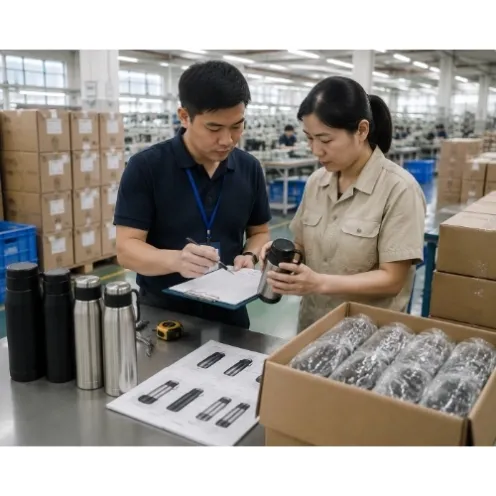
The factory should also prepare enough space for checking. The inspector may need to open cartons, lay out products, measure items, check functions, verify labels, inspect packaging, and take report photos.
If the factory says some goods are finished but not packed, or some cartons are still being prepared, this should be clarified before the visit. Otherwise, the inspection may not represent the full shipment condition.
Share Special Testing or Verification Requirements
Some checks can be done during a normal factory inspection. Others need special preparation.
If your product requires a simple function check, fitting check, assembly check, barcode scan, leakage check, pull check, or basic on-site test, this should be confirmed before inspection. The factory may need to prepare water, power supply, tools, batteries, accessories, or test equipment.
For example, checking a cup for leakage needs water. Checking an electronic item may require power and the correct adapter. Checking a bag strap may require a defined pull method. Checking a garment measurement needs the approved size chart.
Some performance risks cannot be confirmed by visual inspection. Waterproof performance, chemical content, color fastness, material composition, or mechanical strength may require independent laboratory testing. If samples need to be selected from actual production, Sample Picking Service can help maintain sample traceability. If formal testing is required, Lab Testing Assistance Service can support sample submission to an independent laboratory.
The important point is to separate what can be checked on-site from what requires a proper test.
What Information Should You Send Before Inspection?
Before the inspection date, send the inspection company the information needed to plan the visit and check the goods properly.
A practical preparation list includes supplier contact, factory address, product details, order quantity, inspection date, approved sample information, product specifications, packaging requirements, artwork, labels, carton marks, AQL requirements, defect criteria, and special concerns.
If you already know the shipment has a sensitive point, say it clearly. Do not wait until the report is finished to mention that the handle strength, zipper smoothness, shade matching, barcode position, or inner packing method was important.
Clear instructions help the inspector focus on the risks that matter. They also reduce back-and-forth communication during the factory visit.
What Happens After Preparation Is Complete?
Once the requirements are clear, the inspection company can plan the visit with the factory.
The usual flow is simple: preparation, inspection planning, factory visit, random sampling, product checking, report preparation, and shipment decision.
Preparation does not guarantee that the shipment will pass. It helps ensure the result reflects the real condition of the goods and the requirements you actually care about.
If the goods pass, you have more confidence before shipment. If problems are found, the report gives you a clearer basis for discussing rework, replacement, sorting, additional checking, or shipment hold with your supplier.
A final random inspection is most useful when the inspection requirements are clear before the inspector arrives.
How GD Inspection Helps You Prepare
GD Inspection helps customers prepare effective inspections by reviewing the product information, approved requirements, special concerns, and sampling needs before the factory visit.
During the visit, the inspector checks selected samples against the agreed requirements and records findings with photos, defect descriptions, and relevant measurements or function checks.
If your order is still in production, a During Production Check (DPC) Service may be more suitable than waiting until all goods are packed. If the goods are finished and ready for shipment, a Final Random Inspection (FRI) Service can help verify the final shipment condition. If you are working with a new supplier and want to understand basic factory capability, Factory Audit Service can be considered before larger orders.
The purpose is not to make inspection complicated. The purpose is to make sure the report answers the questions you need answered before shipment.
Frequently Asked Questions About Pre-Shipment Inspection Preparation
How many days before shipment should I arrange a pre-shipment inspection?
The timing depends on your product type, production schedule, and how much time you need if correction is required.
In general, the inspection should be arranged after the goods are sufficiently completed and before shipment is released. Avoid arranging it so late that there is no time left for rework, sorting, replacement, or additional checking if problems are found.
What documents should I provide before a pre-shipment inspection?
Useful documents include the purchase order, product specifications, approved sample information, packaging requirements, labels, artwork, carton marks, and any special inspection requirements.
Clear information helps the inspector verify the right points instead of relying on general descriptions from the factory.
Can I arrange an inspection if only part of my order is completed?
Yes, but the inspection purpose and scope should be clear.
If only part of the shipment is ready, the report should state what quantity was available and what quantity was inspected. This helps you avoid treating a partial check as confirmation of the whole order.
Do I need to send a physical approved sample before inspection?
A physical approved sample is helpful when appearance, workmanship, material, construction, color, or special details need comparison.
If a physical sample is not available, the inspector can still use confirmed specifications, drawings, photos, size charts, artwork, and written requirements. The key is to provide a reliable reference before the visit.
Can a pre-shipment inspection guarantee that my shipment has no defects?
No inspection can guarantee zero defects.
A professional inspection uses sampling and agreed criteria to reduce risk and provide useful information for your shipment decision. The result helps you understand the condition of the inspected samples and whether the shipment meets the agreed requirements.
What happens if my shipment fails inspection?
If the shipment fails inspection, you can review the findings with your supplier and decide the next action based on the defect type, quantity, product risk, and delivery schedule.
Common actions include correction, rework, replacement of affected goods, additional checking, or holding shipment until the issue is clear.
Before the Inspector Arrives
A pre-shipment inspection is more effective when both sides are prepared.
Clear requirements, correct reference samples, defined inspection points, accessible goods, and proper timing all help produce a report that supports a real shipment decision.
Inspection is not only about checking products. It is about reducing uncertainty before the goods leave China.