
Aug 8, 2026Quality Inspection Guides
How to Read a Pre-Shipment Inspection Report: A Practical Guide for Buyers
Learn how to read a pre-shipment inspection report, understand AQL sampling, defect classifications, inspection photos, and pass or fail results before shipment.
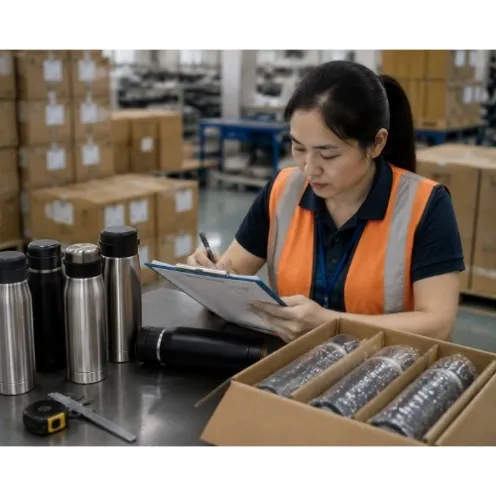
How to Read a Pre-Shipment Inspection Report: A Practical Guide
You receive the inspection report from the factory inspection.
The first page says the inspection is completed. Then you start reading: AQL 2.5, Major defects, Minor defects, sample size, acceptance numbers.
What does it actually mean?
For many buyers, understanding the report is just as important as arranging the inspection. A report is not only a list of defects. It is a decision-making tool that helps you understand what was checked, what was found, and whether your shipment is ready to move.
What Information Should You Check First in an Inspection Report?
Before looking at defects, first confirm whether the report covers the correct shipment.
Check the product name, model number, supplier or factory information, inspection date, purchase order, order quantity, inspected quantity, and inspection location. If the report covers multiple items or styles, make sure the correct products are listed.
You should also check the inspection scope. Was the inspection for finished packed goods? Was only part of the order ready? Were certain products, colors, or sizes excluded because they were not available?
This step matters because a report can only support your shipment decision if it represents the goods you actually plan to ship.
Understand the Sampling Information
A pre-shipment inspection report should show the lot size, inspection level, sample size, and AQL levels used for the inspection.
The lot size is the quantity being inspected. The inspection level helps determine how many pieces are selected. The sample size is the number of pieces checked by the inspector. AQL limits are then used to decide whether the number of defects found is within the agreed acceptance criteria.
AQL does not mean the shipment is allowed to contain a fixed percentage of defective products. It is a sampling method used to evaluate the inspected samples against agreed acceptance and rejection numbers.
If you want to understand how inspection sample size is decided, you can read How Many Pieces Are Inspected During a Quality Inspection? A Simple Guide to AQL Sampling Plans.
How to Understand Critical, Major, and Minor Defects
Inspection reports usually classify defects into Critical, Major, and Minor levels. These categories help you judge the seriousness of the findings.
Critical defects are the most serious. They may involve safety, required warnings, legal compliance, or a serious usability issue. For many commercial inspections, buyers set Critical defects at zero tolerance in the inspected sample.
Major defects are usually the main commercial concern. They may affect function, appearance, saleability, normal use, or customer acceptance. Examples include broken zippers, wrong labels, missing accessories, serious workmanship issues, or incorrect measurements.
Minor defects are smaller issues that do not usually affect basic use but still need control. A small cosmetic mark, slight printing imperfection, or minor packaging dent may be classified as Minor depending on the product and your requirements.
If you want a fuller explanation of defect categories, you can read Critical, Major, and Minor Defects Explained: How to Understand Inspection Results.
How to Judge Whether Defects Are Serious
Do not judge the report only by counting defects. The type, location, quantity, and pattern of defects all matter.
One missing accessory found in one sample may be easy to correct if the factory can check and add the missing item before shipment. But missing accessories appearing across different cartons may show a wider packing control problem.
A small scratch on one inner surface may have little impact. The same scratch repeated on the visible surface of a retail product may affect customer acceptance.
You should also look for repeated patterns. If defects appear across different cartons, sizes, colors, or production batches, the issue may be more than an isolated mistake.
From our experience, the most useful reports do not only say how many defects were found. They show where the defects appeared and whether the same issue was repeated across the shipment.
How to Read Inspection Photos
Photos help you understand what the inspector saw at the factory.
A good defect photo should show what the problem looks like, where it appears, and whether it affects function, appearance, packing, or customer use. For some issues, a close-up photo and a wider photo are both useful.
One photo does not always represent the whole shipment. A report photo may show one example of a repeated defect, or it may show one isolated finding. This is why photos should be read together with the defect list, sample size, carton selection, and final result.
If a defect photo is unclear, ask for clarification before making a shipment decision. It is better to understand the issue while the goods are still at the factory than after they have already left China.
What Does Pass or Fail Mean?
A passed inspection means the inspected samples met the agreed acceptance criteria. It does not mean every single piece in the shipment is perfect.
A failed inspection means the result requires attention before shipment. It does not automatically mean the order must be cancelled or the goods can never ship.
The next action depends on the defect type and the business risk. You may discuss correction with your supplier, request rework, sort affected goods, replace defective pieces, or arrange another check after correction.
The pass or fail result should be read together with the defect details. A shipment with a few acceptable Minor defects is different from a shipment with repeated Major defects affecting customer use.
Questions You Should Ask After Receiving an Inspection Report
After reading the report, the next step is to decide what the findings mean for your shipment.
Ask whether the defects were found in one carton or across different cartons. Check whether the issue looks isolated or related to production consistency. Consider whether the supplier can correct the problem before shipment.
You should also ask whether additional checking is needed. If the defect is easy to sort, the factory may correct it and provide evidence. If the issue affects function, safety, or customer acceptance, a follow-up inspection or testing may be needed.
The main question is simple: does the report give you enough information to release the shipment, or do you need action before the goods leave China?
How GD Inspection Helps You Understand Your Shipment Condition
GD Inspection reports are prepared based on random sampling, your product requirements, defect classification, and actual findings from the factory visit. The purpose is not only to show defects, but to help you understand the risk level before shipment.
The report should help you see what was checked, what defects were found, where the defects appeared, and whether the result meets the agreed criteria.
If your decision depends on finished goods verification, a Final Random Inspection (FRI) Service can help check the shipment before goods leave China.
If the order is still in production and you want earlier visibility, a During Production Check (DPC) Service may be more suitable.
The purpose of the report is not only to record problems. It is to give you clear information before you make the next shipment decision.
Frequently Asked Questions About Inspection Reports
What is included in a pre-shipment inspection report?
A report usually includes product information, supplier and factory details, inspection date, inspected quantity, sampling information, AQL levels, defect findings, photos, on-site checks, packaging checks, and the final result.
The exact content depends on the product, inspection scope, and requirements confirmed before the visit.
Does a passed inspection mean there are no defective products?
No. A passed inspection means the inspected samples met the agreed acceptance criteria.
Because pre-shipment inspection uses sampling, it reduces risk and provides decision-making information, but it does not guarantee that every piece in the shipment has no defect.
What should I do if my inspection report shows major defects?
First check the type, quantity, location, and pattern of the Major defects.
If the issue can be corrected, discuss rework or replacement with your supplier. If the issue may affect function or customer acceptance, consider additional checking before shipment.
Who decides whether a defect is critical, major, or minor?
Defect classification should be based on agreed inspection criteria, product requirements, buyer expectations, and the actual impact of the issue.
It is best to confirm special defect criteria before inspection, especially for customer-sensitive products or products with safety-related requirements.
Can I request additional inspection after receiving a failed report?
Yes. If the supplier corrects the goods, you can arrange another inspection to verify the reworked shipment.
The follow-up scope should be clear. It may focus on the failed items, corrected cartons, replacement goods, or the full shipment depending on the risk.
Before You Make the Shipment Decision
An inspection report is not only a result.
It is information that helps you decide whether the shipment is ready, needs correction, or requires further verification.
Understanding the report helps you make better decisions before goods leave China.