
Sep 1, 2026Quality Inspection Guides
Sample Picking in China: How to Verify Where Your Sample Came From
Learn how independent sample picking and witness sampling help verify sample origin for production review, investigations, and laboratory testing in China.
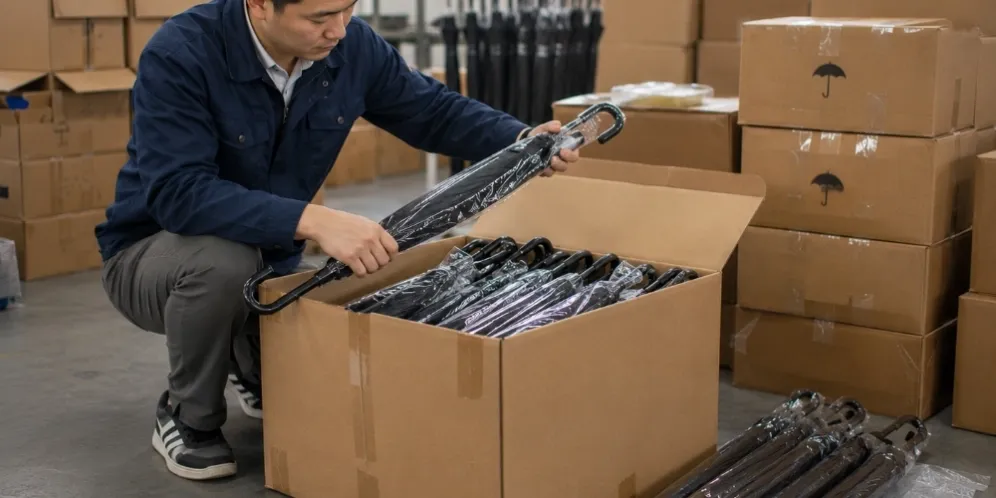
How Do You Know the Sample Really Came From Your Production? A Guide to Sample Picking and Witness Sampling
You need several pieces from production. You may want to examine them yourself, send them to a customer, compare them with an earlier sample, investigate a quality issue, or submit them to a laboratory.
Your supplier can select and send the pieces. In some situations, however, the origin of the sample is part of the information you need. You want to know which production goods were available, how the pieces were selected, and what identifying information was recorded.
This is not automatically a question of supplier trust. It is a question of traceability. Independent sample picking gives you an additional record of where and how the sample was selected.
Why the Origin of a Sample Can Matter
Different samples answer different questions. A development sample shows the progress of product development. A pre-production sample may be reviewed as a possible production reference. A sample selected from actual bulk production provides information about the goods available in that production lot at the time of selection.
Suppose you need three finished units for laboratory testing. Receiving three units is only the first step. If the test is intended to provide information about a specified production batch, you also need a record showing that the units were selected from that batch or from the production goods identified in your instructions.
A sample can therefore be physically correct for testing while its source remains unclear. Documenting the selection connects the units in the package with the production goods you intended to review or test.
What Independent Sample Picking Involves
With Sample Picking Service, an inspector visits the factory or agreed location and selects the requested quantity from the available goods according to your instructions.
The procedure depends on the product and agreed scope. It may include identifying the relevant goods, selecting from specified cartons or lots, recording carton or batch information where available, photographing the process, marking the selected pieces, and observing their packing.
These steps are not automatic promises for every assignment. Before the visit, you and the inspection company should agree on the product, source, quantity, selection method, identification, packing, and next destination. The report then records what was actually available and done on site.
When the Inspector Witnesses the Sampling Process
Sometimes factory staff must remove or prepare the sample because special equipment, process knowledge, or safety controls are required. In that situation, the inspector may witness the sampling rather than personally carry out every physical step.
For example, a material sample may need to be cut from a roll using factory equipment, or a process sample may need to be taken from a machine by an authorized operator. The inspector observes the source and procedure, records relevant information, and documents the sample that results.
Witness sampling provides independent observation of the agreed process. It should not be described as formal legal chain of custody or laboratory-controlled sampling unless those specific procedures have been agreed and provided.
Sample Picking Is Not a Product Inspection
Sample selection and product inspection have different purposes. One establishes where requested samples came from; the other evaluates checked goods against quality requirements.
| Sample Picking | Product Inspection |
|---|---|---|
Main question | Where did this sample come from? | Do the checked goods meet the requirements? |
Main purpose | Selection and traceability | Quality verification |
Quantity | Based on requested samples | Based on the inspection scope or sampling plan |
Result | Selected and documented samples | Inspection findings and report |
An inspector may select five pieces for testing without evaluating the shipment under an AQL sampling plan or performing a Final Random Inspection (FRI). Sample Picking does not replace FRI, DPC, or another appropriate product inspection when shipment quality needs to be assessed.
Sample Picking Is Also Different From Sample Review
A Pre-Production Sample Review asks whether a submitted sample matches the requirements and reference information provided before production. Sample Picking asks whether the sample was selected from the production goods or source specified in your instructions.
One service focuses on evaluation; the other focuses on selection and origin. A production sample can be selected independently and then sent to you, reviewed against requirements, or submitted to a laboratory depending on what you need to learn.
When Independent Sample Selection Is Particularly Useful
Independent selection is most useful when sample origin affects the next decision. Common situations include:
- selecting units from actual production for laboratory testing;
- reviewing current production rather than a development sample;
- sending production units to a customer for approval or comparison;
- investigating a complaint using a specified batch;
- checking samples after a factory has corrected a production issue;
- selecting pieces from different cartons or production lots;
- obtaining samples when you cannot visit the factory personally.
Not every sample requires independent selection. If sample origin has no material effect on your decision, normal supplier dispatch may be sufficient. The added value appears when you need independent information about the source and selection process.
Selecting Production Samples for Laboratory Testing
If a laboratory test is intended to provide information about actual production, the sample-selection instructions should identify which production goods or lot the samples need to come from. The required quantity, packaging, and handling may also depend on the laboratory's instructions.
An inspector can select or witness selection of the agreed units, document the source, and prepare or observe packing before dispatch. Lab Testing Assistance Service can support coordination with an independent laboratory, but the laboratory performs the formal test and issues the result.
The selection record and the test result answer different questions. The first describes where the tested units came from. The second reports how those units performed under the laboratory method.
Does Random Selection Represent the Whole Shipment?
Selecting a piece from actual production improves information about sample origin, but it does not automatically make the sample statistically representative of the entire shipment. A small requested quantity may be appropriate for a specific test while remaining too limited for a shipment-quality decision.
Random selection is a method, not a guarantee. It does not prove that every unit is identical, that the shipment passes, or that one laboratory result describes every piece. If the purpose is to evaluate shipment quality, an appropriate product inspection and sampling plan may also be required.
Information to Confirm Before the Visit
Clear instructions determine what can be selected and documented. Before Sample Picking, provide the product and SKU, required quantity, relevant production lot or batch where applicable, selection location, any carton or lot distribution, required photographs or identification, packing requirements, and the destination or next step.
If the samples are going to a laboratory, confirm the test name, sample quantity, sample condition, packaging, and laboratory submission instructions first. This prevents the selected units from being unsuitable because the required quantity or handling was clarified only after the visit.
A Six-Mug Sample From a 12,000-Piece Order
Consider an order of 12,000 ceramic mugs. You need six finished units from current production for laboratory testing or customer review. Instead of asking only for six pieces to be sent, you arrange independent selection from the available production goods.
The inspector identifies the relevant finished cartons, selects the agreed quantity according to the instructions, photographs the source and selected units, records available carton or lot information, and observes packing for dispatch.
The six mugs are not automatically better samples, and they do not guarantee the condition of all 12,000 pieces. Their value is that you have independent information connecting those six units to the production goods from which they were selected.
How GD Inspection Supports Sample Selection
GD Inspection can provide Sample Picking Service in China according to an agreed scope. Depending on the requirement, this may include direct sample selection, witness sampling, photographs, sample identification, packing observation, and coordination for buyer review or independent laboratory testing.
The report records the production goods and information available during the visit and the actions performed. Any special traceability, sealing, handling, or laboratory procedure should be agreed before the inspector attends the site.
Frequently Asked Questions
What is a sample picking service?
It is an on-site service in which an independent inspector selects requested samples from specified available goods according to agreed instructions and documents the selection process.
What is the difference between sample picking and product inspection?
Sample Picking focuses on selection and origin. Product inspection checks sampled goods against quality requirements and reports the findings. One does not automatically include the other.
Can samples be selected for laboratory testing?
Yes. The sample quantity, source, condition, packing, and submission instructions should be confirmed before selection. The independent laboratory performs the formal testing and issues the result.
Does independent sample picking guarantee that the sample represents the whole shipment?
No. It gives you additional information about where and how the selected sample was obtained. Statistical representation and shipment acceptance require a suitable sampling plan and inspection purpose.
When should I use witness sampling?
Witness sampling is useful when factory personnel must safely remove or prepare the sample, special equipment is required, or you need independent observation of a defined sampling process rather than direct selection by the inspector.
Know the Source, Not Only the Sample
When you need a sample from actual production, the sample itself is only part of the information. Knowing how and where it was selected may matter just as much for review, investigation, or testing.
Independent Sample Picking adds traceability to that selection without turning a limited sample request into a full product inspection.