
Aug 25, 2026Importing Tips & Best Practices
Initial Production Check (IPC): What to Check at Production Start
Learn what to check when mass production begins in China and how IPC verifies bulk materials, components, early production pieces, packaging, and setup.
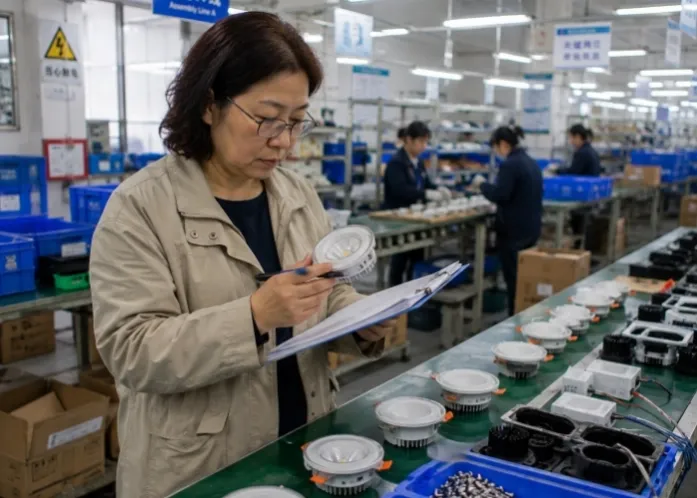
What Should You Check at the Beginning of Mass Production? A Guide to Initial Production Check (IPC)
You approved the product and placed the order. A few weeks later, your supplier tells you that mass production has started.
This is the point to verify whether the factory has started with the correct bulk materials, components, construction, colors, labels, and production requirements. If something is wrong, correction may still be practical while only a limited quantity has been made.
Initial Production Check (IPC) provides early visibility into that transition. It answers a specific question: Did mass production start with the correct requirements, materials, and setup?
Why a Correct Sample Does Not Guarantee a Correct Start
Sample development and bulk manufacturing use different quantities and production arrangements. Fabric, plastic parts, hardware, printed materials, and packaging may be purchased in larger lots. More workers or another production line may also become involved once the order moves beyond sample making.
Version control can create a separate problem. An earlier drawing, old artwork, or superseded comment may still be held by purchasing, production, or a subcontracted process even though the latest sample was confirmed. The factory then needs to translate the final requirements into instructions that every production step can repeat.
From our experience, the beginning of production is where small differences become repeated differences. One wrong component on an early unit is still a limited issue; the same component installed across the whole order requires a different response.
What an Initial Production Check Verifies
An Initial Production Check (IPC) is carried out near the beginning of actual mass production, when enough materials, components, production activity, and early output are available to see how the order has started.
The scope is agreed for the product and the risks you need to verify. IPC does not approve the final shipment. It records production status and checks available bulk inputs and early production pieces against the reference information you provide.
This is different from a Pre-Production Sample Review, which takes place before mass production and reviews the sample or production reference. IPC checks how those requirements are being applied to actual bulk production.
Check the Actual Bulk Materials
The materials used for sample development may not come from the same bulk lot used for the order. Where relevant, available bulk materials should be compared with the supplied reference sample, specifications, color requirements, or other confirmed information before they are consumed across production.
For garments, this may include fabric, trims, buttons, and zippers. For furniture, it may include the specified board or wood type, hardware, and surface material. For drinkware, it may include the body, lid, seal, and accessories. Packaging inputs such as retail boxes, inserts, and carton material may also be available at this stage.
Visual and dimensional comparison can identify obvious differences, but it cannot confirm chemical composition, material grade, or laboratory performance. If a material claim requires formal verification, samples should be selected and tested by a qualified laboratory using the required method.
Check Components Before the Wrong Version Spreads
Components and accessories should be checked by version, size, color, quantity, and fit where the product allows. A missing part, incorrect label, or wrong hardware size may appear minor at the component table but become a repeated production problem once assembly speeds up.
A bag, for example, may use the correct fabric while the zipper pull or buckle comes from an earlier design. Comparing the available component with the current reference and the first assembled pieces can show the mismatch before thousands of bags use the same part.
Check the First Mass-Production Pieces
Early production pieces are not approved samples. They are actual units made with the bulk materials, workers, equipment, and instructions being used for the order. This makes them useful evidence of whether the factory has transferred the requirements correctly.
The relevant checks depend on the product. Measurements can show whether tooling or sewing settings are producing the correct dimensions. Construction, assembly, printing position, colors, labels, and accessories can be compared with the available requirements. Repeated findings should be linked to the production step that needs review, not treated only as isolated defects.
Check Packaging Materials Before Packing Begins
Packing may start later, but printed and formed packaging materials are often produced earlier. If they are available, IPC can check retail boxes, polybags, labels, barcodes, carton markings, inserts, accessory packs, and carton specifications within the agreed scope.
This timing matters when artwork, barcode data, warning text, or carton markings need correction. Reprinting unused labels is usually more manageable than opening thousands of packed units to replace them.
IPC and DPC Answer Different Production Questions
Both checks take place before the order is finished, but they are arranged for different stages.
| Initial Production Check (IPC) | During Production Check (DPC) |
|---|---|---|
Timing | Beginning of production | During ongoing bulk production |
Main question | Did production start correctly? | Is production continuing correctly? |
Focus | Materials, components, setup, and early pieces | Progress, workmanship, and consistency |
Main advantage | Find setup or input problems early | Find consistency problems while correction is still possible |
A During Production Check (DPC) becomes more useful once meaningful bulk quantities exist and you need to review progress and production consistency. During Production Check (DPC) vs Final Random Inspection (FRI): What Is the Difference? explains how later production checks fit into the order timeline.
IPC Does Not Replace Final Random Inspection
A correct production start does not prove that the finished shipment will remain consistent. Later material lots, additional workers, production speed, packing, and normal workmanship variation can change the condition of goods produced after the IPC visit.
IPC answers whether production started correctly. A Final Random Inspection (FRI) answers whether randomly selected finished goods meet the agreed requirements before shipment. The two checks should be selected according to the risk and timing of the order, not treated as substitutes.
When an Early Production Check Is Worth Considering
IPC is most useful when a wrong input or setup could affect a large quantity before the next practical control point. Relevant situations include:
- a first order with a new supplier;
- a newly developed or highly customized product;
- expensive materials or components;
- complex construction or several component versions;
- previous problems involving wrong materials, labels, or accessories;
- a large quantity where late correction would require extensive rework.
A stable repeat order with a proven supplier and simple construction may not justify an additional early visit. The useful question is whether information from the start of production could change what you ask the factory to do next.
A Wrong Sealing Ring Found Before 8,000 Bottles Were Assembled
Consider an order of 8,000 insulated bottles. The confirmed design uses a specific silicone sealing ring, but the first mass-production units contain a visually similar ring with a different profile. The difference can be identified by comparing the component and assembled lid with the available reference information.
If the issue is recorded while only a limited quantity has been assembled, the supplier can review the component stock, separate affected pieces, and confirm the correct version before production continues. The value is not simply finding one wrong part; it is finding a production mismatch before it becomes an order-wide problem.
How GD Inspection Records the Production Start
GD Inspection's Initial Production Check (IPC) Service can independently check the agreed scope near the beginning of production. Depending on the product and the information provided, this may include available materials, components, early mass-production pieces, packaging materials, and production status.
Before the visit, the useful references are the latest product requirements, sample information, component details, artwork, packaging requirements, and the specific points you want verified. The report records what was available and observed on the inspection date.
Frequently Asked Questions
When should an Initial Production Check be performed?
IPC should be arranged when actual mass production has started and the materials, components, setup, or early pieces relevant to your concern are available. The date should be confirmed against the factory's real production schedule, not only the planned start date.
How much production should be completed before IPC?
There is no universal percentage. The right timing depends on the product, production process, and what needs to be verified. The factory must have enough actual activity and early output for the agreed checks, while the visit should still be early enough for correction to influence remaining production.
Is IPC the same as During Production Check?
No. IPC focuses on how production starts, including available inputs, setup, and early pieces. DPC takes place during meaningful bulk production and provides more information about progress, workmanship, and consistency across the running order.
Do I still need FRI if IPC passes?
That depends on your shipment risk, but IPC cannot verify the final shipment condition. FRI checks randomly selected finished goods later, after the order has moved through the remaining production and packing stages.
Does every order need an IPC?
No. IPC is a risk-based choice. It is more relevant when early materials, components, or setup create meaningful uncertainty and less relevant when a stable repeat order has a simple, proven production process.
Verify the Transition Before It Becomes the Whole Order
The beginning of mass production is where your confirmed requirements become actual bulk materials, components, work instructions, and finished output. IPC gives you an opportunity to verify that transition before a large quantity is completed.
For the right order, finding a wrong material, component, label, or production detail early is easier to manage than finding the same mismatch across the finished shipment.