
Jul 5, 2026Quality Inspection Guides
Why Factory Test Reports Are Only Part of the Story
Factory test reports can be useful, but importers still need to confirm whether the report matches the actual shipment before relying on it.
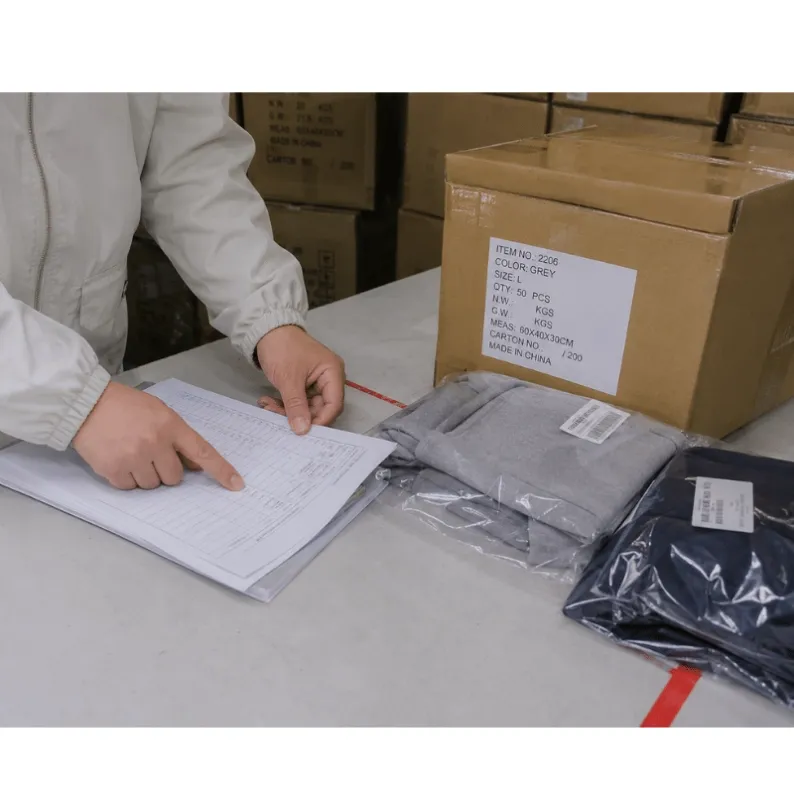
Before one shipment, the factory sent the buyer a test report and said the product had already passed.
On paper, the report looked reassuring. It had a lab name, a test date, product description, and a pass result. The buyer forwarded it to us before inspection and asked QC to pay attention to whether the shipped goods matched the report.
That was the right question.
A test report can be useful, but it does not automatically prove that the goods waiting in the warehouse are the same goods that were tested.
The Report Arrived Before the Inspection
The factory provided the report before the final inspection date.
This often happens when buyers ask for compliance documents or performance confirmation before releasing balance payment. The factory may send a report from an earlier sample, a previous order, or a similar product.
In this case, the buyer did not reject the report immediately. They asked us to check the goods on site and compare the report information with the actual shipment.
That small step matters. A document should be connected to real cartons, real labels, real materials, and real production details.
The First Check Was Not the Test Result
QC did not start by reading only the “pass” line.
The inspector checked whether the report details matched the goods being inspected: product name, model, material, color, size range, supplier name, test date, and any style or item number shown on the report.
Then QC compared those details with the product labels, packing marks, purchase order information, and actual samples selected from cartons.
This is where problems often appear.
Sometimes the report is for the same product family but not the same model. Sometimes it covers one color only. Sometimes the report was issued before bulk production started. Sometimes the factory cannot clearly explain whether the tested sample came from the same production lot.
The test result may be real. The question is whether it belongs to this shipment.
Why the Paper Alone Was Not Enough
A factory test report usually tells us what happened to one submitted sample.
It does not always tell us who selected the sample, whether the sample came from bulk production, or whether the factory changed material after the test.
For example, a fabric test report may be based on a pre-production fabric swatch. The bulk fabric may come from another dye lot. A plastic product may have passed testing with one raw material batch, then the factory may use another batch for mass production. A metal item may have a report for one surface finish, while the shipment includes a different finish.
These are not rare situations in sourcing.
From our experience, the report is useful, but the shipment still needs to be checked against it. Otherwise, the buyer may be relying on a correct document for the wrong goods.
What QC Checked on Site
During the inspection, QC selected samples from finished cartons, not from loose pieces prepared separately by the factory.
The inspector checked product labels, carton marks, packaging, material appearance, construction details, and any information that could connect the goods to the test report. If the report mentioned a specific model or component, QC looked for the same reference on the product or packing.
When something was unclear, the inspector asked the factory to identify which cartons or production lot the report covered.
If the factory could not connect the report to the inspected goods, that point was recorded.
This does not mean the product automatically failed. It means the buyer should not treat the report as full confirmation for the shipment without further evidence.
When Samples Needed Independent Testing
In some cases, the buyer may decide that document checking is not enough.
If the product has a key performance requirement, or if the report does not clearly match the shipment, random samples can be selected from bulk goods during inspection. Those samples can then be sent to an independent laboratory for testing.
GD Inspection can help select random samples, seal samples, witness sampling, or arrange delivery to a lab when requested. The formal test result should come from the independent laboratory, not from the inspection report.
That distinction is important.
Inspection can confirm what is visible and what is selected. Laboratory testing confirms performance according to a specified method.
How the Finding Was Reported
The report did not simply say “factory test report provided.”
QC recorded whether the document details matched the inspected goods and noted any mismatch or missing link. If the factory report covered a different model, earlier sample, or unclear lot, that was written in the inspection findings.
Photos of product labels, carton marks, and tested sample references were included where useful.
This gave the buyer a practical basis for the next decision: accept the factory report, request clarification, hold shipment, or arrange independent testing from bulk samples.
The value was not in doubting every document. The value was in checking whether the document actually belonged to the goods being shipped.
What This Reminds Importers
Factory test reports should not be ignored, and they should not be accepted blindly.
For small and medium importers, this is especially important. A supplier may sound confident when they say, “We already tested it.” But before relying on that statement, the buyer needs to know what was tested, when it was tested, who selected the sample, and whether it matches the shipment.
A good sourcing decision often comes from combining both sides: document review and physical inspection.
The report tells part of the story. The cartons in the factory warehouse tell the rest.