
Jul 4, 2026Client Stories & Case Studies
When Reflective Tape Started Peeling Before Shipment
A reflective vest inspection case showing how a 3M tape adhesion check revealed peeling reflective tape before shipment.
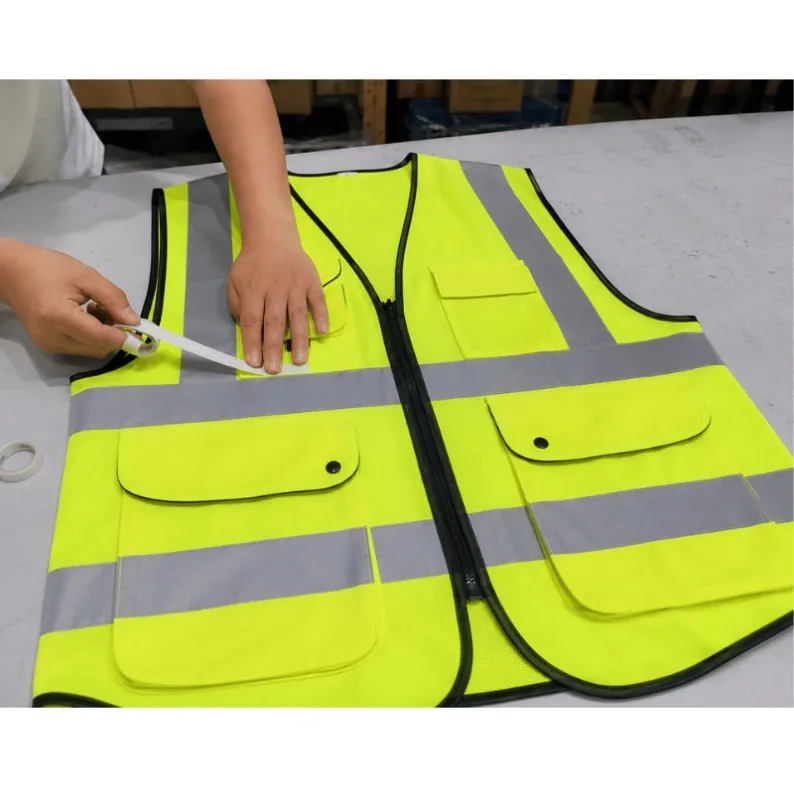
During one reflective vest inspection, the reflective tape failed a simple adhesion check.
The inspector applied 3M tape to the reflective strip, pressed it firmly, then pulled it away. Part of the reflective material came off with the tape.
That result changed the finding immediately. The problem was not just appearance. The reflective strip did not have stable surface adhesion.
The 3M Tape Check Showed the Problem
The issue was found during an on-site tape adhesion check.
A piece of 3M tape was applied to the reflective strip and pressed down so it made full contact with the surface. After that, the tape was pulled away quickly. On the affected samples, small areas of the reflective surface were removed together with the tape.
This kind of defect may not be obvious before testing. A reflective strip can look normal when it is lying flat on the vest. The problem appears only when adhesion is challenged.
The finding was photographed and recorded in the inspection report, including the tested area and the visible peeling after the tape was removed.
Why This Matters for Reflective Vests
Reflective tape is one of the key functional parts of a safety vest.
If the reflective layer can be pulled off during a simple tape check, it may also fail during normal use, folding, rubbing or washing. For workwear, that is a serious quality concern because the product depends on visibility.
The buyer does not only receive a vest with a surface defect. They receive a vest where the reflective material may not remain stable in use.
From our experience, reflective tape problems are easy to underestimate when the vest is only checked visually. The tape may look acceptable until adhesion is tested.
What Could Cause the Peeling
Reflective tape peeling can come from several production factors.
The reflective material itself may have poor surface stability. The heat transfer process may not have enough temperature, pressure or time. The fabric surface may not be suitable for bonding. The garment may also have been packed before the material fully settled.
The inspection result does not prove the exact factory cause by itself. It shows that the finished product has an adhesion risk.
If the buyer needs a formal conclusion, samples can be sent to an independent laboratory. GD Inspection can help select or arrange samples, but the lab should perform the official test.
What GD Inspection Recorded
The important part was not only finding the defect, but recording it clearly.
The inspector showed the tested reflective strip before and after the 3M tape check. The report included close-up photos of the peeling area and notes describing how the defect appeared during the check.
This matters because reflective tape peeling can be difficult to explain with a general sentence like “poor adhesion.” The buyer needs to see the tested area, the peeled surface and whether the issue appeared on more than one sample.
A clear record gives the importer something practical to discuss with the factory.
Why the Timing Matters
The defect was found while the goods were still at the factory.
That gave the buyer room to ask for rechecking, sorting or replacement before shipment. The factory could also review whether the problem was limited to one batch of reflective tape or one production process.
If the same issue is found after delivery, the situation is harder. The goods may already be packed in the overseas warehouse or distributed to end users. Each vest would need to be opened, checked and separated.
For reflective vests, a tape adhesion problem should not be left for the customer to discover.
A small piece of 3M tape can reveal a problem that a normal product photo will never show.