
Jun 29, 2026Client Stories & Case Studies
When a Coffee Mug Cracks After the First Pour: A Quality Lesson for Importers
A recent ceramic mug recall highlights how products that look perfect can still fail during everyday use. Here's what importers can learn before the goods leave China.
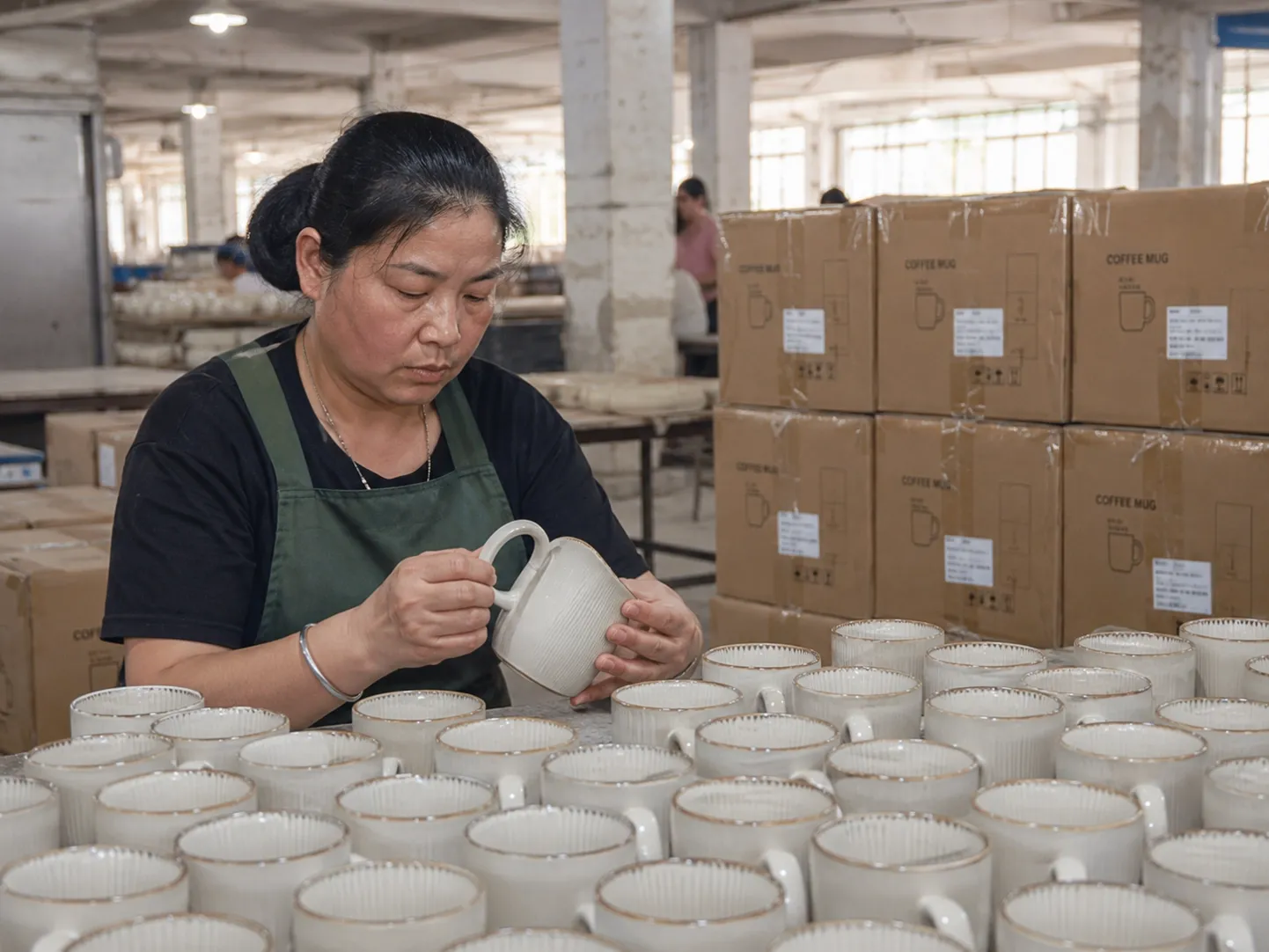
When a Coffee Mug Cracks After the First Pour
A coffee mug isn't a complicated product.
It doesn't have electronics, moving parts or complex assembly. That's why many buyers consider ceramic mugs one of the easier products to source from China.
A recent product recall reminded us that even a simple product can create expensive problems.
The mugs looked perfectly normal. There were no visible cracks, damaged packaging or obvious workmanship defects. Customers only discovered the problem after pouring boiling water into the mug.
Instead of enjoying a cup of coffee, some mugs cracked during normal use.
For the retailer, that meant recalls and customer complaints.
For an importer, it could just as easily have meant refund requests, replacement costs and damage to customer trust.
The obvious question is simple:
If everything looked fine before shipment, why did the problem only appear after customers started using the product?
What Probably Happened
One thing that's often overlooked is that a product can look perfect during inspection but still fail during everyday use.
With ceramic drinkware, appearance only tells part of the story.
The glaze may be smooth.
The printing may be sharp.
The packaging may look professional.
None of those checks reveal how the mug will react when boiling water is poured inside.
In many cases, the real difference comes from manufacturing consistency.
Small changes in raw materials, firing temperature, wall thickness or cooling during production can affect how the ceramic handles sudden temperature changes.
Those differences are almost impossible for customers to notice when they open the box.
Unfortunately, they become very obvious when the mug cracks during breakfast.
Why Products Can Change Between the Sample and Bulk Production
Most importers spend a lot of time approving samples before production starts.
The sample looks good.
The finish is clean.
The handle feels solid.
Everything appears ready for production.
But bulk production is rarely identical to one carefully prepared sample.
Different production batches may use slightly different raw materials.
Kiln temperatures may vary.
Production speed may increase.
Even small manufacturing changes can affect the finished product without changing how it looks.
That's why two mugs sitting next to each other can appear identical, while only one survives repeated use with hot drinks.
What Should Be Checked Before Shipment?
For ceramic drinkware, inspection should go beyond appearance.
Besides checking workmanship, quantity and packaging, inspectors should also verify that bulk production remains consistent with the approved sample.
Typical inspection points include:
- Surface cracks, chips and pinholes
- Glazing consistency
- Printing quality
- Mug dimensions and capacity
- Handle alignment and attachment
- Packaging protection
- Carton condition
- Random AQL sampling across different cartons
For products designed to hold hot drinks, thermal shock testing should also be considered before shipment, particularly for private-label products or large retail orders.
Inspection and testing are not the same thing.
A visual inspection cannot replace laboratory testing, but it can identify inconsistencies, workmanship problems and production changes before the goods leave the factory.
Using both together provides much better protection than relying on appearance alone.
What Importers Can Learn From This Case
This case isn't really about mugs.
It's about expectations.
Customers expect a coffee mug to survive boiling water because that's exactly what it was designed for.
When a simple product fails its basic purpose, customers rarely care whether the glazing looks beautiful or the packaging arrived without damage.
They simply lose confidence in the product.
For importers sourcing from China, this is a useful reminder that quality control shouldn't stop at visual inspection.
Products should be checked based on how customers will actually use them.
Sometimes the biggest problems aren't the ones you can see.
They're the ones your customers discover first.
Final Thoughts
Most ceramic mugs will never develop this problem.
But when an entire production batch is affected, the cost of fixing it after shipment is far greater than identifying the issue before the goods leave China.
Independent inspections help verify workmanship, consistency and production quality before shipment.
Combined with appropriate product testing where required, they give importers greater confidence that the products arriving at their warehouse will perform exactly as their customers expect.