Jul 5, 2026Quality Inspection Guides
What Happens After a Shipment Fails Inspection?
When a shipment fails inspection, the next steps depend on clear reporting, factory response, rework, and whether the buyer can verify the goods again before shipment.
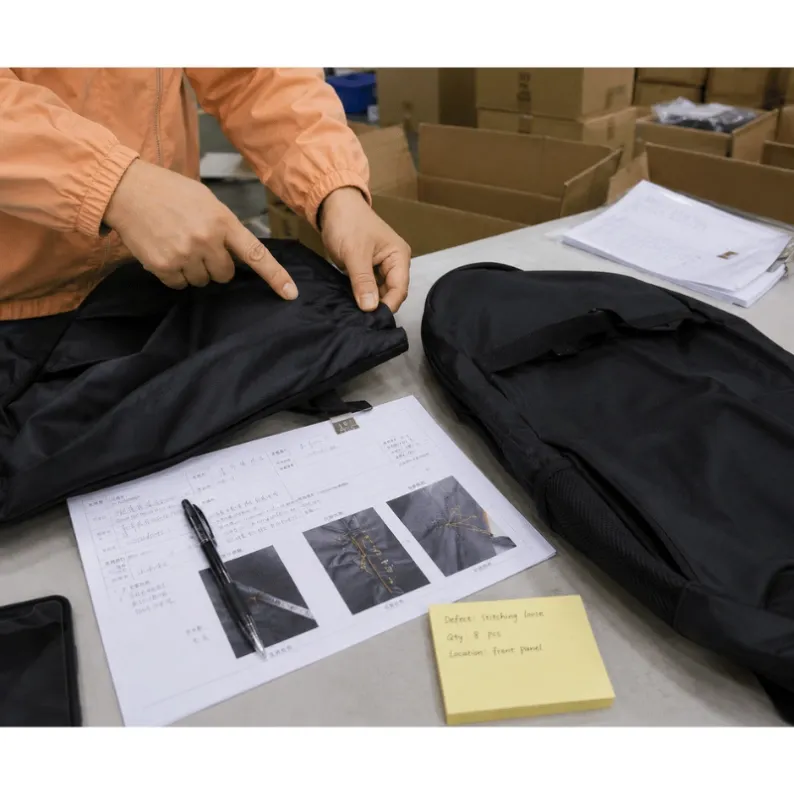
A failed inspection does not always mean the order is finished.
In many cases, it means the buyer finally has enough evidence to make a controlled decision before the goods leave China. The important part is what happens next: how the defect is recorded, how the factory responds, and whether the corrected goods are checked again before shipment.
We recently handled a typical situation where the inspection result was not acceptable. The buyer did not cancel the order immediately. They used the report to push the factory into a proper rework process.
The Problem Was Confirmed During Inspection
The issue was first found when QC opened selected cartons and checked the finished goods according to the inspection plan.
The defect was not limited to one piece. After checking more samples, the same problem appeared repeatedly. QC took photos, recorded the affected quantity in the sample size, and described where the defect appeared.
That changed the conversation with the factory.
Before the inspection, the problem was only a possible concern. After the report, the buyer had photos, sample results, and clear defect descriptions. The factory could no longer answer with only “we will pay attention next time.”
The Report Became the Starting Point
After the inspection, the report was sent to the buyer with the result marked as failed.
A useful inspection report does not only say “failed.” It shows why the shipment failed. It should include the defect photos, defect rate in the checked samples, product references, carton information when available, and any on-site comments from the factory.
This is important because the buyer is usually not standing in the factory.
The report becomes the buyer’s eyes. It also becomes the document used to discuss the next step with the supplier.
In this case, the buyer used the report to ask the factory for rework before shipment.
The Factory First Tried to Explain
The factory’s first response was not rework.
This is common. A factory may say the defect is minor, that the customer will not notice, or that only the inspected samples were affected. Sometimes they may say the goods were produced according to the approved sample.
The buyer did not argue in general terms. They referred back to the report.
The photos showed the actual defects. The sample results showed the issue was repeated. The defect description showed why it could affect the customer’s use or acceptance.
That is where a clear report has value. It keeps the discussion focused on evidence, not opinion.
Rework Had to Be Specific
Once the factory agreed to rework, the next question was what “rework” actually meant.
A vague promise is not enough. “We will improve” does not tell the buyer what will be changed. “We will check again” does not explain how affected goods will be separated.
For this shipment, the factory had to identify the affected goods, sort the finished cartons, repair or replace defective pieces, and repack the corrected products. The buyer also asked the factory to confirm when the rework was finished.
For some defects, rework is simple. A wrong label can be replaced. A dirty surface can be cleaned. Missing accessories can be added.
For other defects, rework is harder. Weak stitching, poor bonding, leaking products, or failed function tests may require real repair or replacement.
The Buyer Needed Proof After Rework
After the factory said the goods were corrected, the buyer still needed confirmation.
This is where some importers lose control. They accept the factory’s message that “all fixed” and release the shipment without checking again.
In this case, the buyer asked for the corrected goods to be verified.
A re-inspection or focused check can confirm whether the factory really corrected the problem. QC can open cartons again, check the affected points, compare with the previous report, and record whether the same defect still appears.
The second check does not need to repeat every detail from the first inspection if the buyer only needs to verify the failed items. But it must be clear what is being checked and why.
The Shipment Was Released Only After the Risk Was Reduced
The order moved forward only after the buyer had enough confidence that the main issue had been addressed.
That does not mean the shipment became perfect. In real production, the decision is often about whether the remaining risk is acceptable. The buyer reviews the rework result, the re-inspection findings if arranged, the shipment schedule, and the commercial impact.
The key point is that the buyer made the decision with better information.
Without the failed inspection, the goods may have shipped with repeated defects. With the report and rework process, the buyer had a chance to reduce the problem before it reached the destination market.
What This Case Reminds Importers
A failed inspection is not only bad news.
It can be the moment when the buyer gets control back. The factory still has the goods. The cartons can still be opened. Defective pieces can still be sorted. Repairs can still be made in China.
For small and medium importers, this matters because overseas rework is usually expensive and slow. Once the shipment arrives, every correction involves warehouse labor, repacking, delays, and sometimes customer complaints.
The best time to deal with a failed inspection is before the shipment leaves the factory.