
Jul 4, 2026Common Quality Issues
Polar Fleece Odor Issue: The Problem Started When the Polybags Were Opened
A polar fleece order with noticeable odor can create customer complaints even when workmanship looks acceptable. Here is why odor should be checked before shipment.
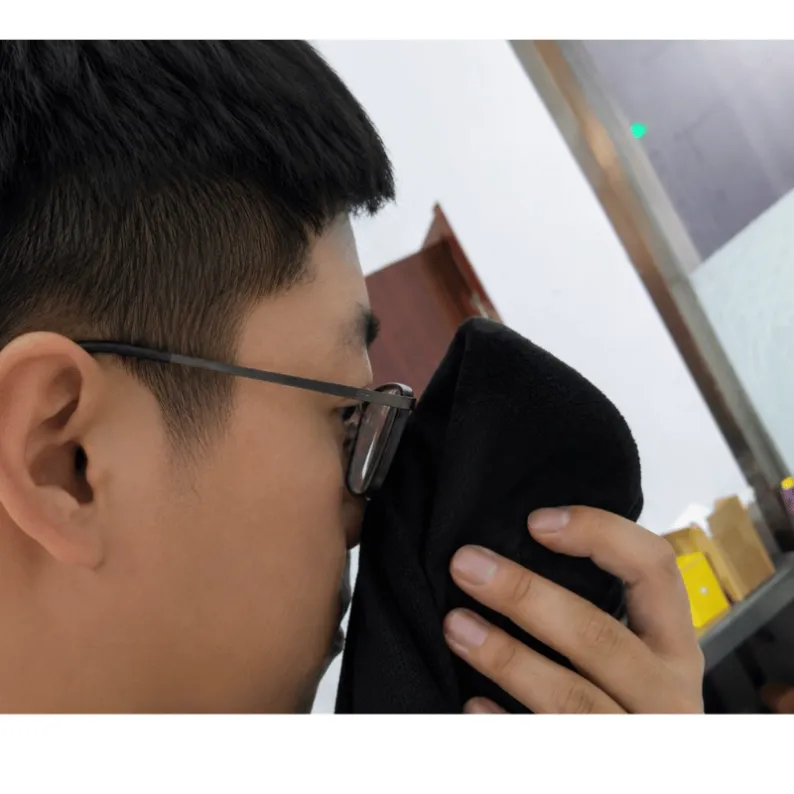
The first sign of the problem was not visible on the garment.
It appeared when the inspector opened the polybags. Several polar fleece jackets had a strong odor trapped inside the packaging. The smell was noticeable immediately, before any detailed workmanship check started.
For a polar fleece order, this matters. Customers expect the garment to feel clean and comfortable when they open it. If the first thing they notice is a chemical or musty smell, the product already feels questionable.
The Odor Was Not Found from the Carton Surface
The cartons looked normal from the outside. There was no obvious water damage, crushing, or stain on the packaging.
The issue appeared only after samples were taken from different cartons and removed from their individual polybags. Some pieces had a stronger smell than others. That difference was important because it suggested the problem might not be evenly distributed across the whole order.
During inspection, odor cannot be shown clearly by photos. So the finding needs to be described in the report: which cartons were opened, how many samples were checked, whether the smell was slight or strong, and whether it remained after airing for a short time.
Why Polar Fleece Can Hold Smell
Polar fleece can trap odor more easily than some smooth woven fabrics. If the fabric finishing, washing, drying, or storage is not well controlled, the smell may stay inside the garment.
The problem can become worse after packing. Once the fleece jackets are folded and sealed in polybags, the smell has no way to escape. By the time the buyer opens the shipment overseas, the odor may be stronger than it was during production.
This is why checking only folded garments inside sealed bags is not enough. Some samples need to be opened.
Why Checking Different Cartons Matters
If only one carton is opened, the result may be misleading.
Sometimes the odor appears in one production lot, one storage area, or one group of cartons packed on a certain day. Other cartons may be acceptable. That is why samples should be taken from different cartons, sizes, and packing positions.
If the smell appears across many cartons, the buyer may treat it as a batch issue. If it appears only in certain cartons, the factory may still have a chance to separate or recheck the affected goods before shipment.
From our experience, this kind of issue is much easier to discuss with the supplier when the report shows clear sampling details.
What the Buyer Could Decide Before Shipment
Once the odor was reported, the buyer had options.
They could ask the factory to open and air the goods, check whether the smell reduced, review storage conditions, or select samples for further chemical testing if needed. GD Inspection can help select random samples or witness sampling, while any laboratory test should be performed by an independent lab.
The key point is timing. Before shipment, the buyer can still hold the goods and ask for action. After shipment, the same problem becomes much harder to manage.
Why This Matters for Polar Fleece Orders
Odor is not like a loose thread that can be trimmed.
If customers open the package and smell something unpleasant, they may not trust the garment. For online orders, this can quickly become returns and negative reviews. For retail orders, the goods may need to be aired, sorted, or discounted before they can be sold.
A polar fleece jacket can look acceptable and still create complaints if it smells wrong.
Finding the odor before shipment is much easier than asking customers to accept it after delivery.