
Jul 26, 2026Importing Tips & Best Practices
How to Make Sure Bulk Production Matches the Approved Sample
Practical steps importers can take to reduce differences between approved samples and bulk production when sourcing products from China.
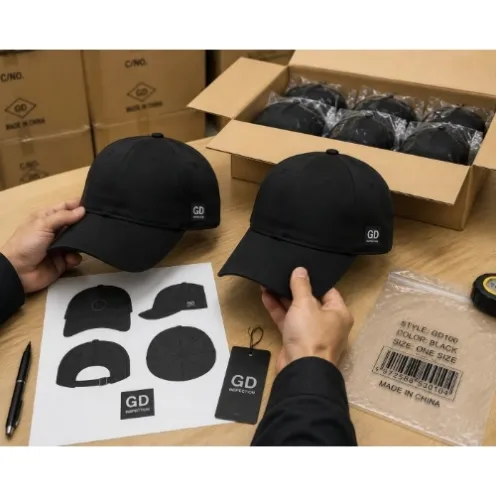
After a buyer approves a sample, it is easy to assume bulk production will follow the same standard. In practice, sample approval only confirms that one piece was acceptable. It does not automatically control every piece made later on the production line.
A sample is often made slowly and carefully. Bulk production is faster, involves more workers, and depends on the factory’s ability to repeat the same details consistently. This is why importers sometimes receive goods that are close to the approved sample, but not close enough.
Why Bulk Production Can Drift From the Approved Sample
Sample-making and bulk production are often handled in different ways.
A sample room may make the approved piece. Bulk goods may be made on the main production line. The sample may have been adjusted by a technician, while production workers follow a simpler instruction sheet. If the final sample comments are not clearly transferred to the production team, small differences can appear immediately.
Production speed also matters. During sample development, one piece can be checked and corrected several times. During bulk production, workers need to complete many pieces each day. Stitching, edge finishing, printing position, packing method, or assembly tightness may not stay consistent unless the factory controls them carefully.
From GD Inspection’s experience, many sample-to-bulk differences are not dramatic at first glance. They are usually small details repeated across the shipment.
Keep the Approved Sample Under Control
The approved sample should not be treated as only a photo in an email.
The buyer should keep one physical approved sample whenever possible. The factory should also keep a confirmed reference sample. If an inspection company will compare bulk production against the sample, a reference sample should be available for the inspector as well.
The sample should be clearly marked with the item number, approval date, version, size, color, and any special comments. If the sample has been revised several times, the final approved version should be easy to identify.
Approval should also include written key points, not only the word “approved.” Measurements, material hand feel, color, logo position, label content, accessories, packing method, and key functions should be recorded according to the product.
Photos can support this, but they should not be the only reference. A photo may not show thickness, stiffness, weight, smell, hand feel, or small construction details.
A sealed reference sample and clear written requirements give everyone the same target.
Check the First Finished Pieces Before Production Goes Too Far
The best time to find a difference is early in production.
When the factory starts bulk production, the first finished pieces should be compared with the approved sample. This can catch problems before the whole order is packed.
If the first finished pieces are already different from the approved sample, the factory still has time to adjust. If the same issue is found after thousands of units are finished, correction becomes harder.
This is why during-production inspection is useful for new products, new suppliers, customized products, or orders where the approved sample has several important details.
Confirm Changes Before They Enter Bulk Production
Sometimes differences appear because the factory makes a practical adjustment during production.
The adjustment may not be dishonest. It may be a sewing method, packing fold, accessory position, stitching density, carton arrangement, or small construction detail that the factory thinks is acceptable.
The problem is that the buyer may not agree.
If a change affects how the product looks, feels, fits, functions, or is packed, it should be confirmed before production continues. The factory should not wait until final inspection to explain it.
A common sentence from factories is: “It is almost the same.”
That may be acceptable for one product and unacceptable for another. The buyer should decide before shipment, not discover the difference after delivery.
Compare Bulk Production With the Approved Sample Before Shipment
Pre-shipment inspection is often the last practical opportunity to confirm whether bulk production matches the approved sample before the goods leave China.
During a pre-shipment inspection, QC selects samples from finished cartons and compares them with the approved sample or confirmed specifications. The comparison should focus on the points that matter for that product, not every possible detail.
The approved sample should be physically present if possible. If it is not available, the inspection should use confirmed specifications, drawings, buyer comments, or other approved reference documents.
One practical observation from GD Inspection: differences are easier to judge when the production piece is placed directly beside the reference sample. Checking one piece alone is weaker. Side-by-side comparison gives clearer evidence.
QC should also select samples from different cartons. Bulk production may include different sizes, colors, production days, or packing teams. One carton may match the approved sample while another does not. The goal is to understand whether the shipment follows the approved standard as a whole.
If appearance is not enough, simple on-site checks or independent lab testing may be needed. GD Inspection can help select random samples or witness sampling, while formal laboratory results should come from the qualified testing party.
What Importers Should Do Before Shipment
Before production starts, make sure the factory has the final approved sample and written key requirements.
During production, check first finished pieces if the product is new, customized, or easy to drift from the sample.
Before shipment, compare random finished goods with the approved sample and check whether the same standard is maintained across cartons, sizes, colors, and packing.
If a difference is found early, the factory may still adjust, sort, rework, or replace affected goods. If the same difference is found after delivery, the importer usually faces warehouse sorting, customer complaints, and higher correction costs.
The approved sample is not the end of quality control. It is the reference that should guide production, inspection, and shipment release.