Jul 4, 2026Client Stories & Case Studies
Buoyancy Aid Quality Issue: When a Vest Looks Fine but May Not Perform
A recent buoyancy aid case shows why importers should verify key product performance before shipment, not rely only on appearance.
Not every quality problem can be spotted on the factory floor.
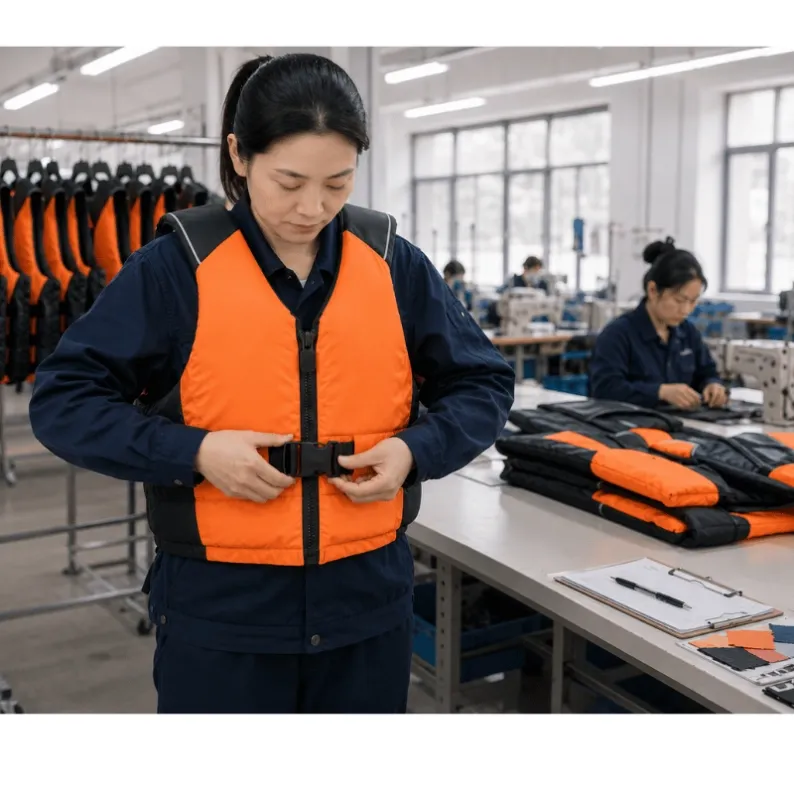
The product in this case was a buoyancy aid, a vest-style flotation product used for water sports and boating. It may look like a simple soft-goods item, but the real value is not in the fabric or shape. It is in how the vest supports a person in water.
That is where the quality risk begins.
The Problem Was Not How the Vest Looked
The case involved Helly Hansen buoyancy aids manufactured in China and recalled in June 2026. The public recall notice stated that the product may not provide enough buoyancy and turning momentum to bring the user face up in the water.
This is not a normal appearance defect. A vest can look complete in the factory and still raise concern if the buoyancy performance is not right.
From our experience, appearance and performance do not always tell the same story. This is especially true for outdoor, sports, PPE, and water-use products.
Why This Kind of Issue Is Easy to Overlook
A buoyancy aid may look correct from the outside. It may feel thick, structured, and ready for use.
But buoyancy depends on details that cannot be confirmed by appearance alone: the foam material, foam volume, panel placement, body fit, and how the vest behaves in water.
If one of these details changes during production, the finished goods may still look close to the approved sample. The problem may only appear when the product’s actual function is verified.
That is why this case matters for importers. The main risk was hidden inside the product’s performance.
What Could Be Checked Before Shipment
For this type of product, a pre-shipment inspection can still play an important role. It can confirm whether the goods match the approved sample and whether the production lot is consistent.
But the key performance issue should not be guessed by eye.
Random samples can be selected before shipment and sent to an independent laboratory for buoyancy-related testing. GD Inspection can help with sample selection and testing arrangement, while the laboratory performs the actual test.
This gives the importer a clearer answer before the goods leave China: does the product only look right, or does it also perform as expected?
Why Timing Matters
If a problem like this is found before shipment, the importer still has choices. The goods can be held. More samples can be tested. The supplier can review the foam material or construction. The buyer can decide whether to ship, rework, retest, or stop the order.
If the same issue is discovered after arrival, the options are much worse. The stock may already be paid for, shipped, stored, listed, or delivered to customers.
For a buoyancy aid, uncertainty about performance is enough to create serious commercial risk. It affects whether the product can be sold with confidence.
A Practical Reminder for Functional Products
This case is useful because the message is simple: when a product’s main function cannot be judged by appearance, performance should be verified before shipment.
For buoyancy aids, that means buoyancy. For rain jackets, it means waterproofing. For safety vests, it means visibility. Each product has one function that matters most.
On-site checks help confirm what is being produced and packed. Independent verification helps confirm what cannot be seen.
Finding a problem before shipment is always easier than explaining it after delivery.